
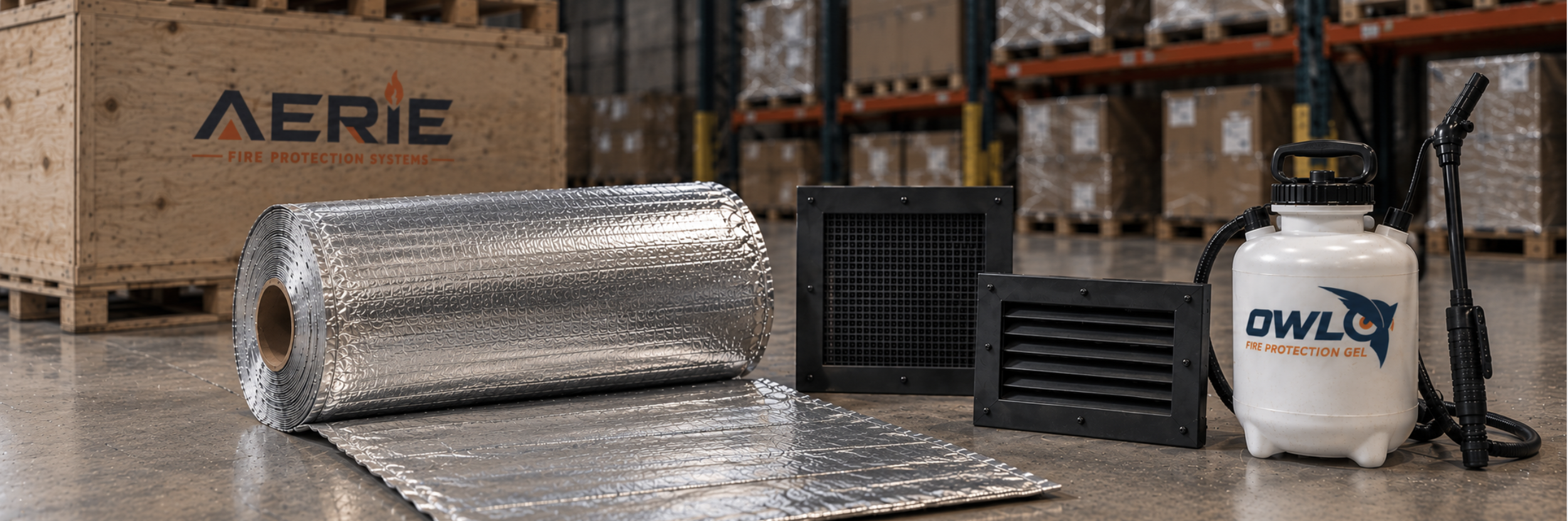
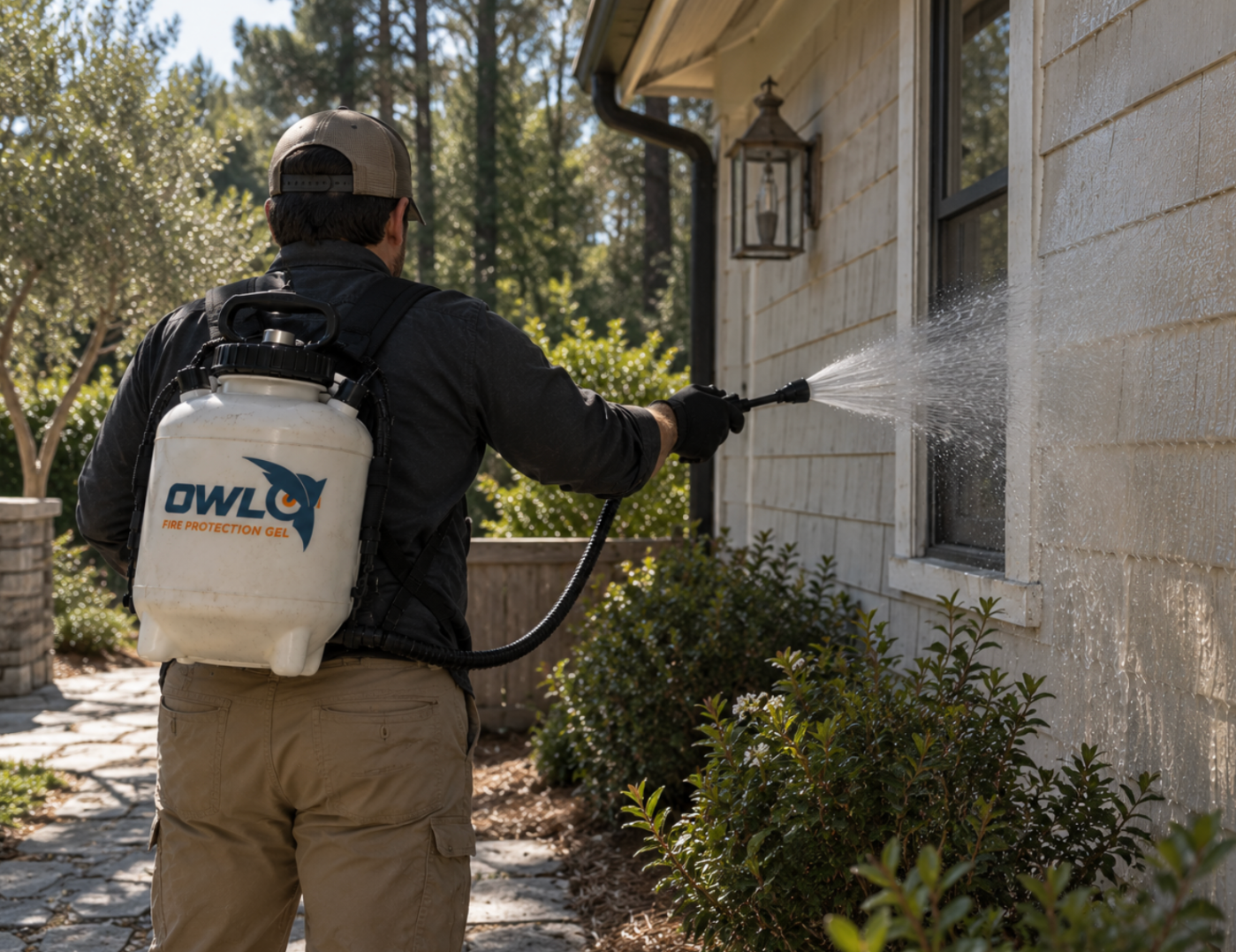

Fire Protection Gel
OWL is an advanced wildfire protection gel engineered to coat and defend vulnerable exterior surfaces before a fire arrives. Its high-adhesion formula creates a protective layer against wind-driven embers, radiant heat, and direct flame exposure.
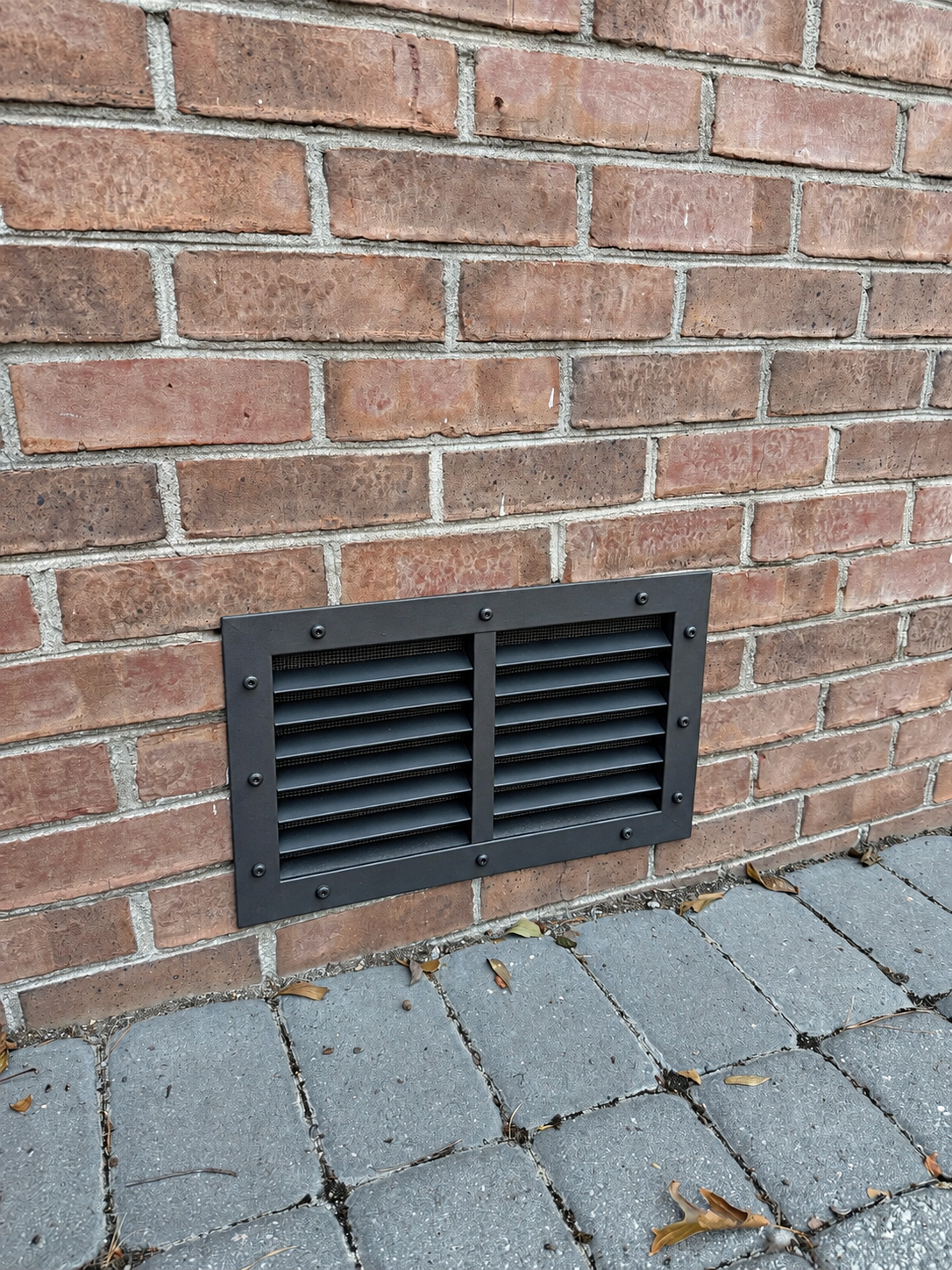
Ember and Vent Protection System
HAWK is an ember-resistant vent system engineered to protect one of a home’s most vulnerable points of wildfire entry. Fire-resistant construction and fine ember filtration help prevent wind-driven embers from entering the structure while preserving essential ventilation.
Deployable Exterior Fire Barrier
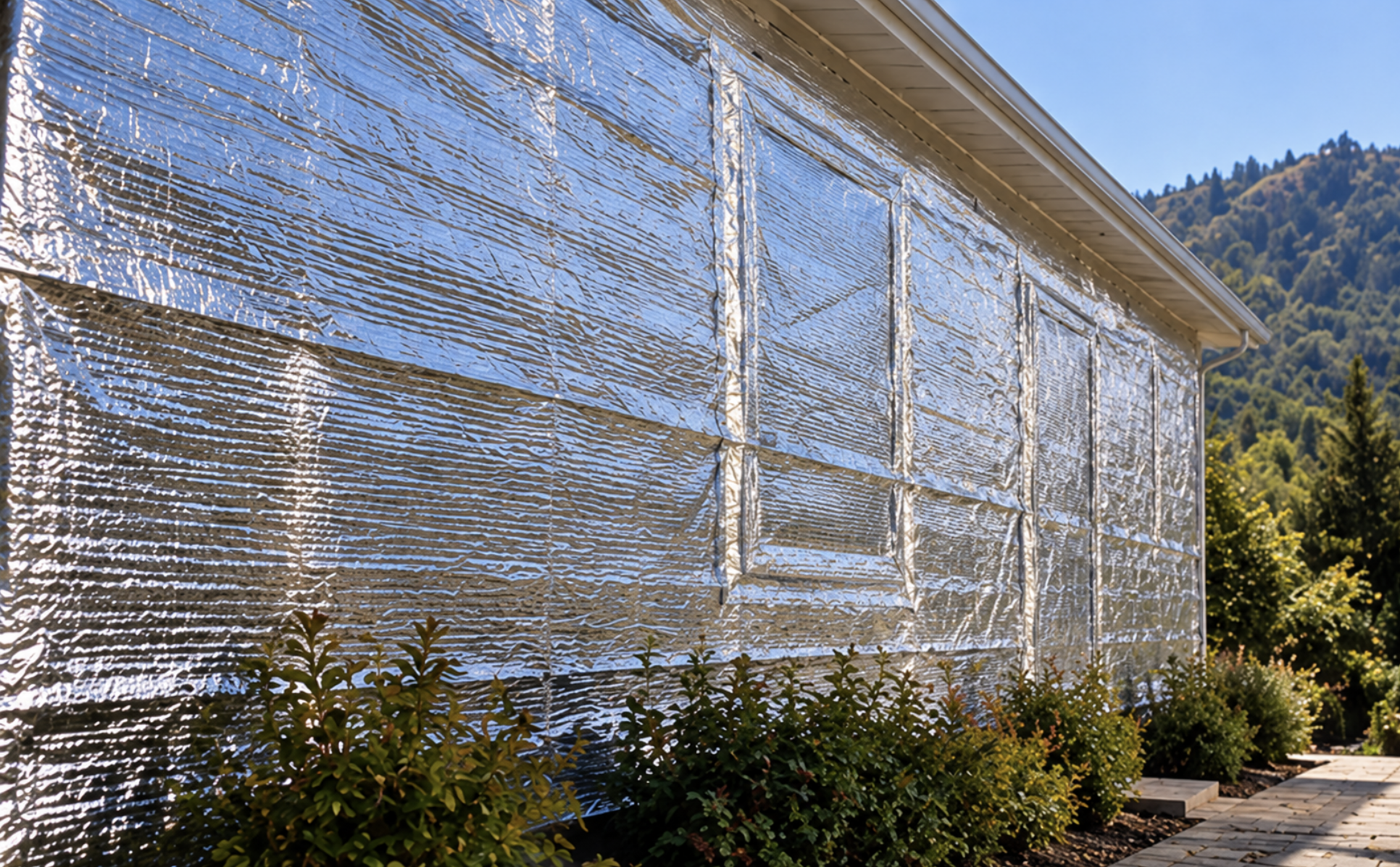
OSPREY is a deployable wildfire barrier engineered to protect windows, siding, and vulnerable exterior surfaces from embers and radiant heat. Designed for rapid deployment ahead of a wildfire, it creates a resilient layer of protection around the home when exposure is greatest.
Wildfire Mitigation: Frequently Asked Questions.
-
Wildfire mitigation is the process of identifying and reducing vulnerabilities that can allow a wildfire to ignite or damage a structure. A comprehensive approach can include vegetation management, defensible space, building maintenance, ember-resistant openings, appropriate exterior materials, and additional protective systems. Volare focuses on property-level wildfire mitigation solutions designed to complement these established practices and add additional layers of protection around the structure.
-
Volare solutions are designed for both residential and commercial applications. The appropriate products and configurations depend on the structure, surrounding environment and specific wildfire vulnerabilities identified at the property.
-
Yes. Volare developed HAWK, OSPREY and OWL to address different areas of wildfire vulnerability. Depending on the property, multiple systems can be incorporated into a layered wildfire mitigation strategy.
-
Before wildfire conditions develop. Permanent improvements can be made throughout the year, while deployable systems should be planned, stored and understood well before an emergency. Evacuation orders and public-safety instructions always take priority over property protection.
-
The starting point is the property itself. Building construction, vents and openings, exterior materials, surrounding vegetation, access and other characteristics can influence the appropriate mitigation strategy. A property assessment can help identify vulnerabilities and determine which Volare systems may be appropriate.
-
Every property is different, but wildfire vulnerabilities can include vents and other openings, roofs and gutters, windows and doors, decks, exterior walls, combustible materials near the structure, and surrounding vegetation. Wind-driven embers are particularly important because they can reach small openings or ignite combustible material around a building. A strong wildfire mitigation plan looks at the property as a complete system rather than focusing on a single component.
-
Preparation should begin well before a wildfire is nearby. Property owners can maintain defensible space, remove combustible debris, inspect roofs and gutters, evaluate vents and other openings, maintain vegetation, review exterior building materials, and identify areas that may need additional protection. Deployable wildfire protection systems should also be planned and understood in advance so preparation does not begin during an emergency.
-
No. Wildfire conditions vary significantly, and no product can guarantee that a structure will survive every wildfire event. Mitigation is about identifying vulnerabilities and taking practical measures intended to reduce exposure and ignition risk.